



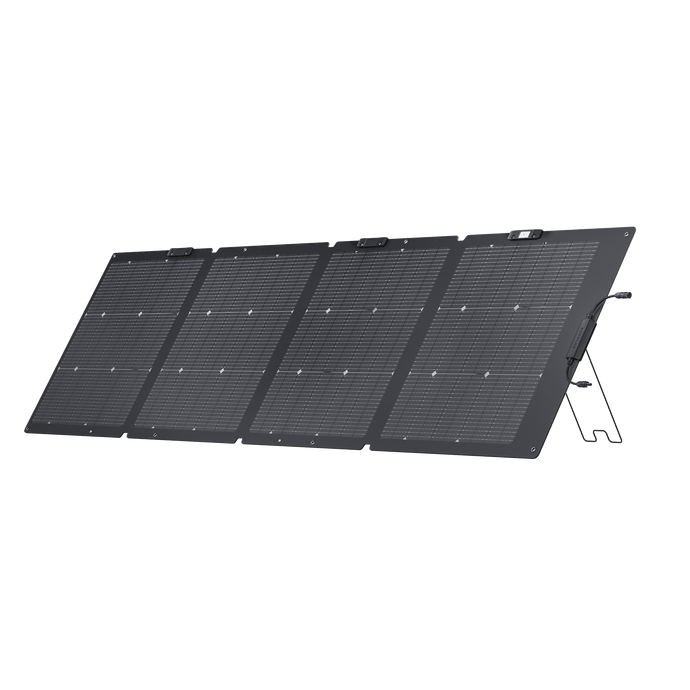

Panel solar portátil bifacial EcoFlow NextGen de 220 W


Panel solar portátil EcoFlow NextGen de 160 W


Panel solar portátil EcoFlow de 400 W
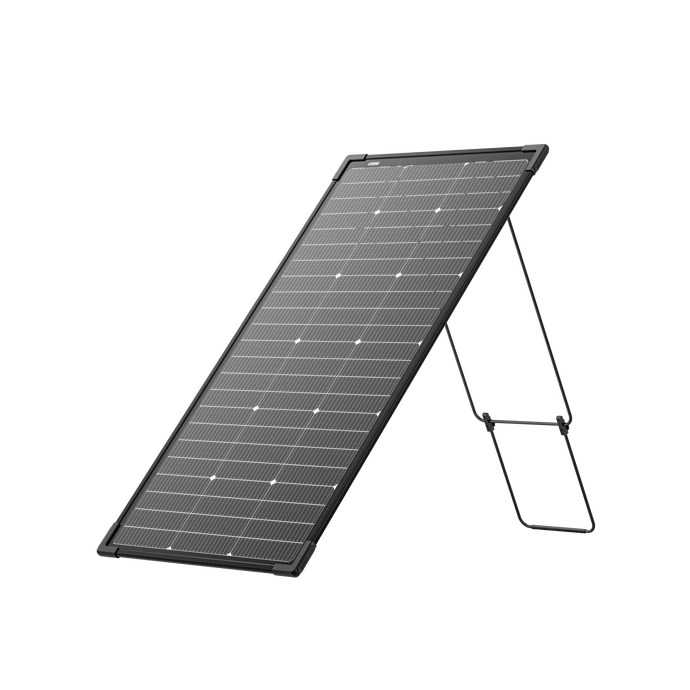

Panel solar modular bifacial EcoFlow de 125 W (kits de 125 W, 250 W y 500 W)
IP68
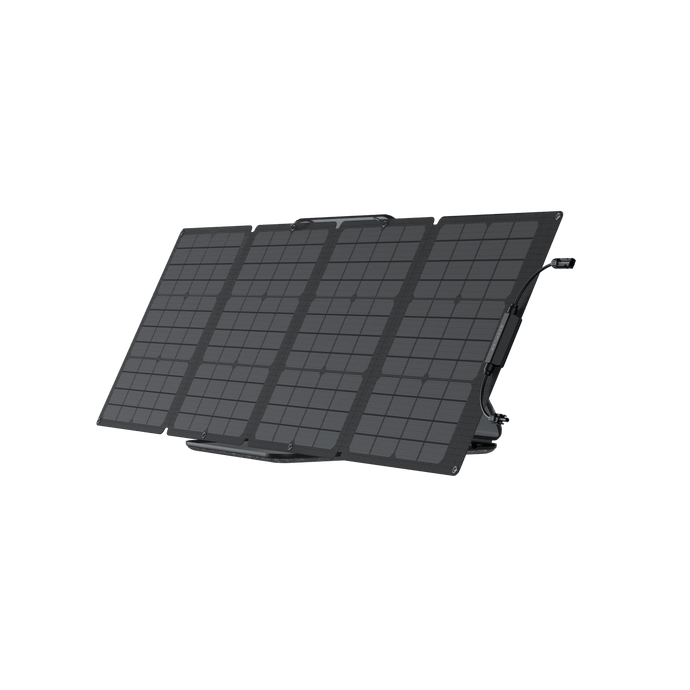

Panel solar portátil EcoFlow de 110 W
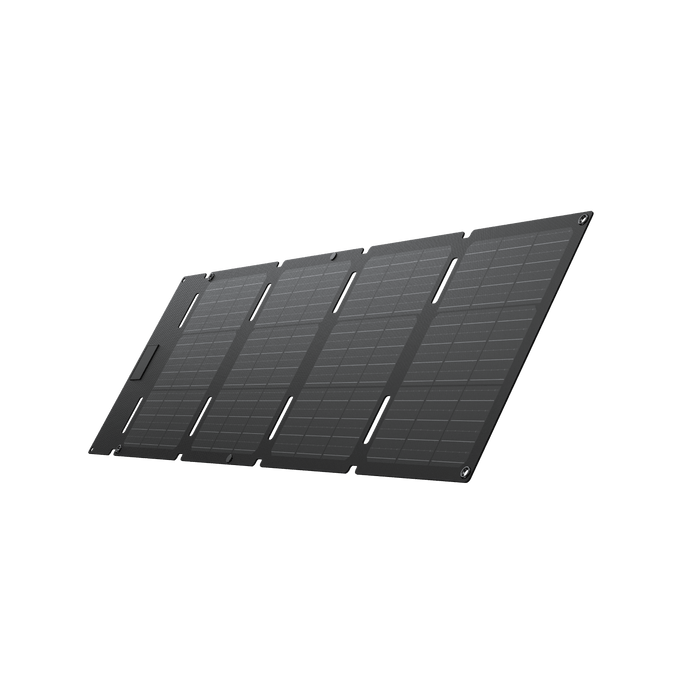
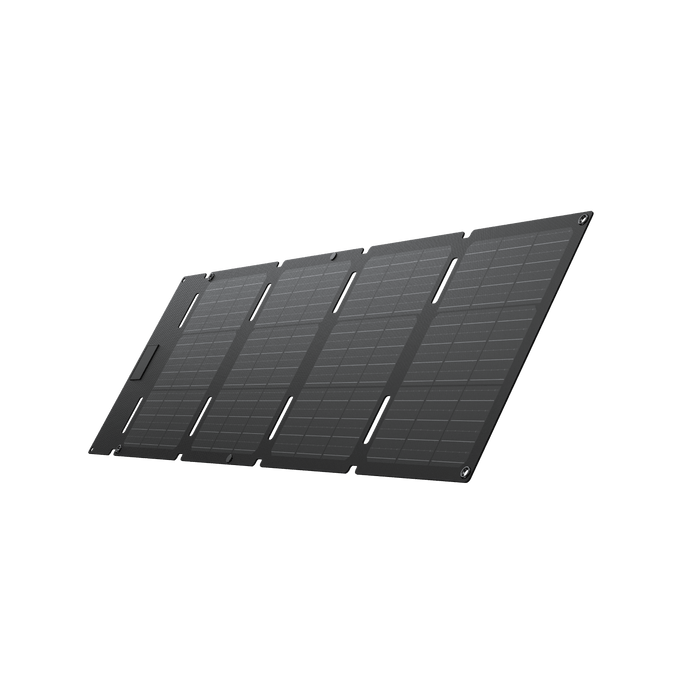
Panel solar portátil EcoFlow de 45 W
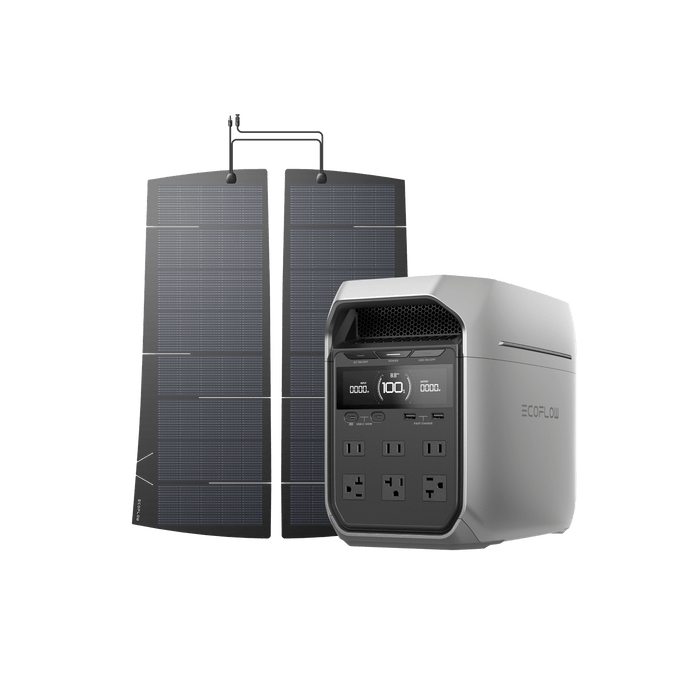
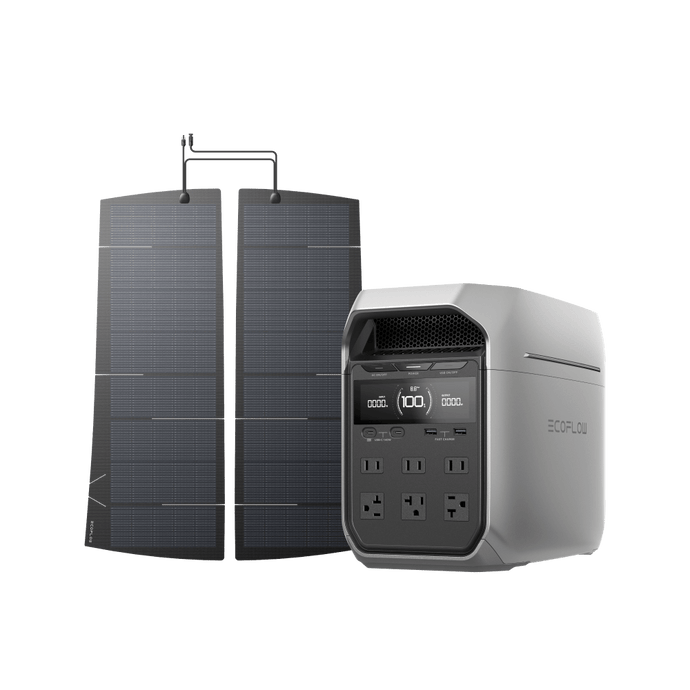
Película solar EcoFlow HeatGuard
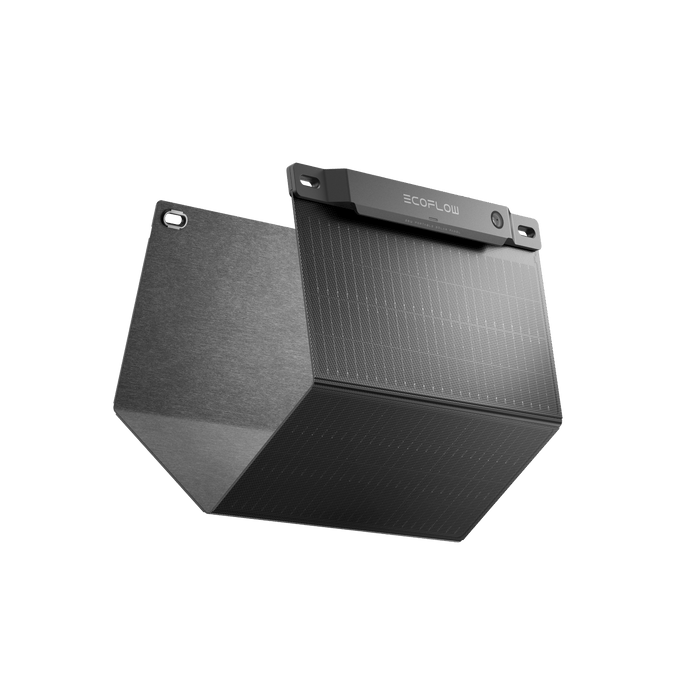

Panel solar portátil EcoFlow de 45 W
Panel solar portátil EcoFlow de 45 W
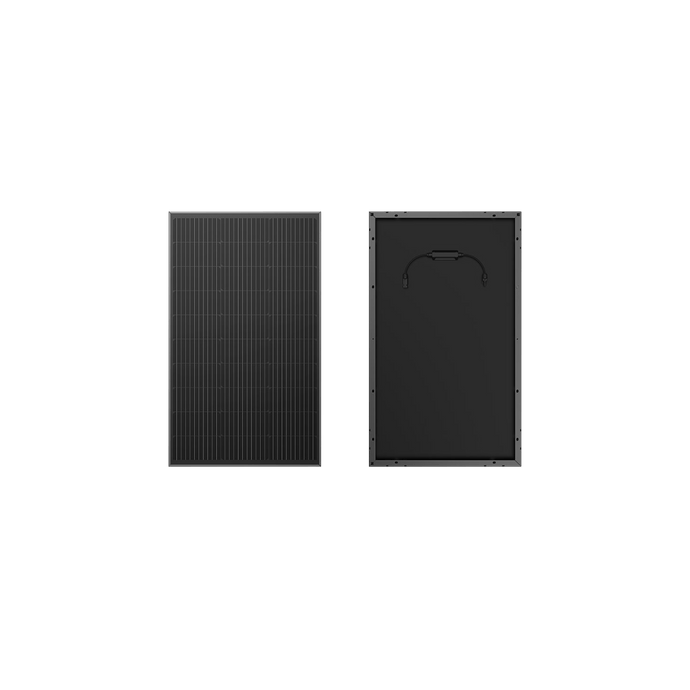
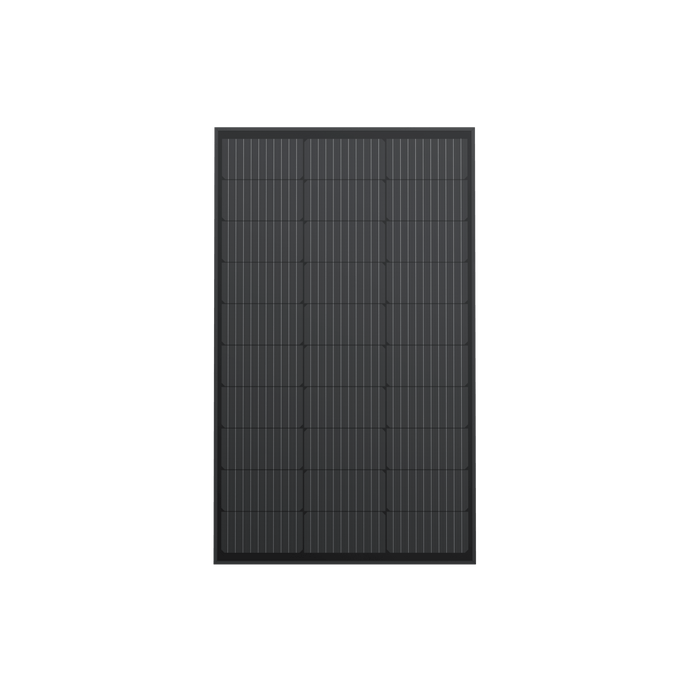
Panel solar rígido EcoFlow de 100 W
IP68
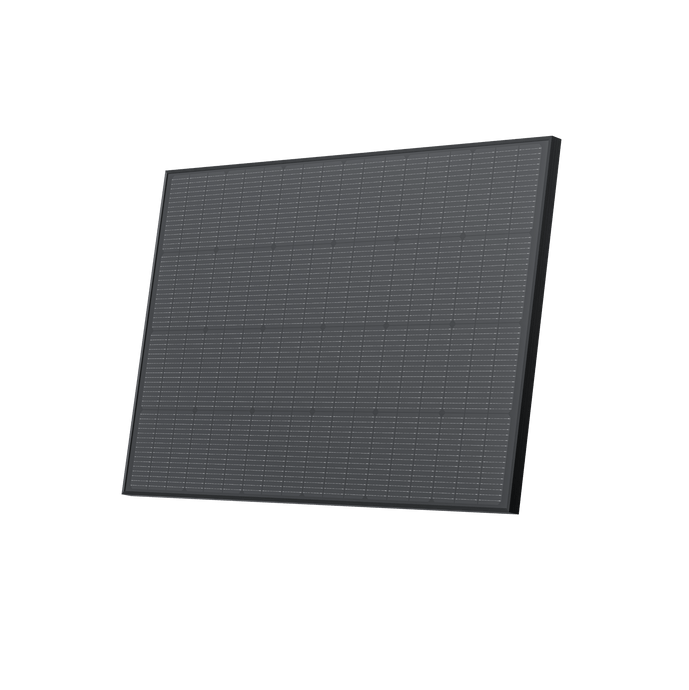

Panel solar rígido EcoFlow de 175 W
IP68
Accesorios
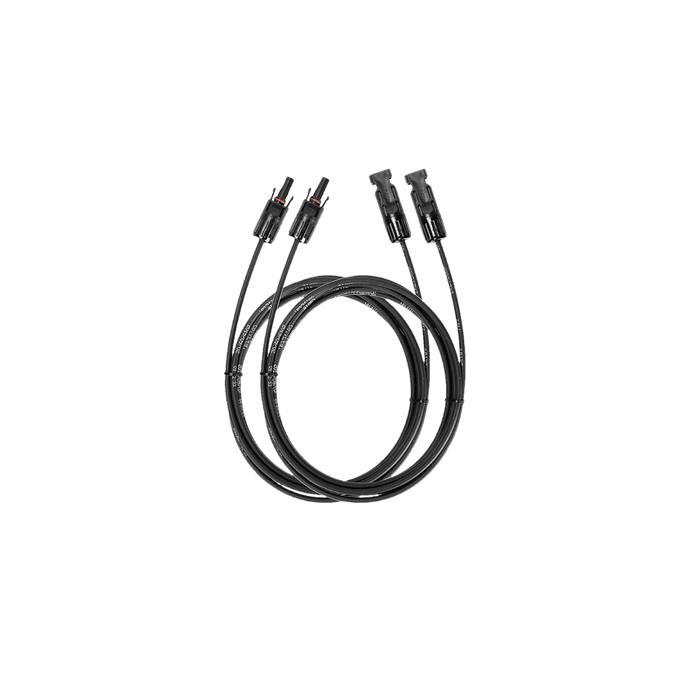
Cable de extensión solar EcoFlow
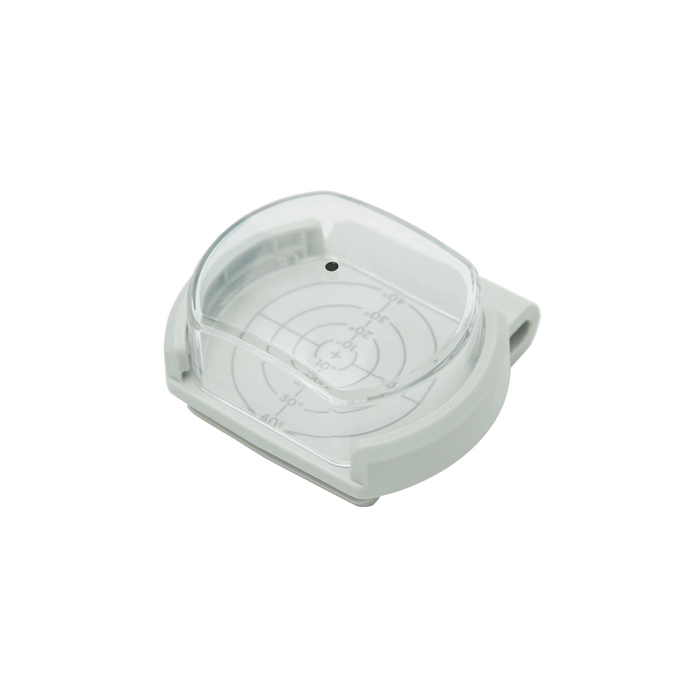
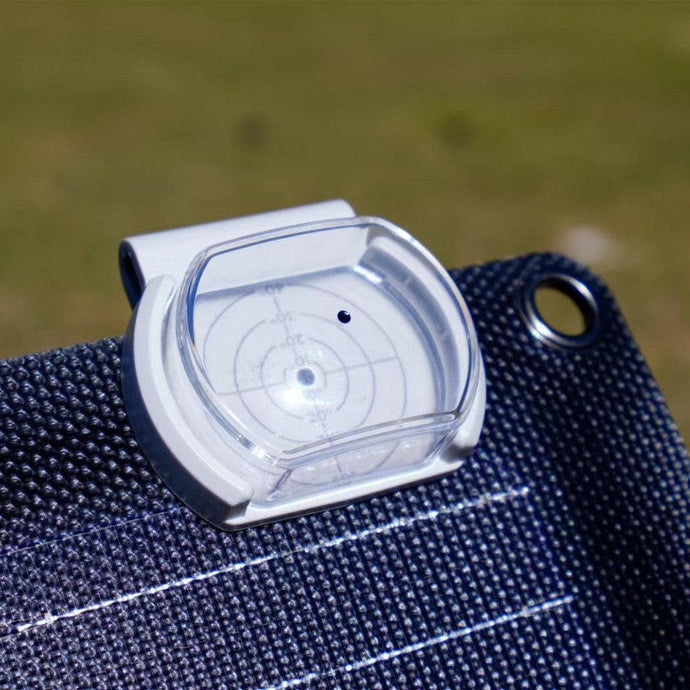
Guía de ángulos solares EcoFlow
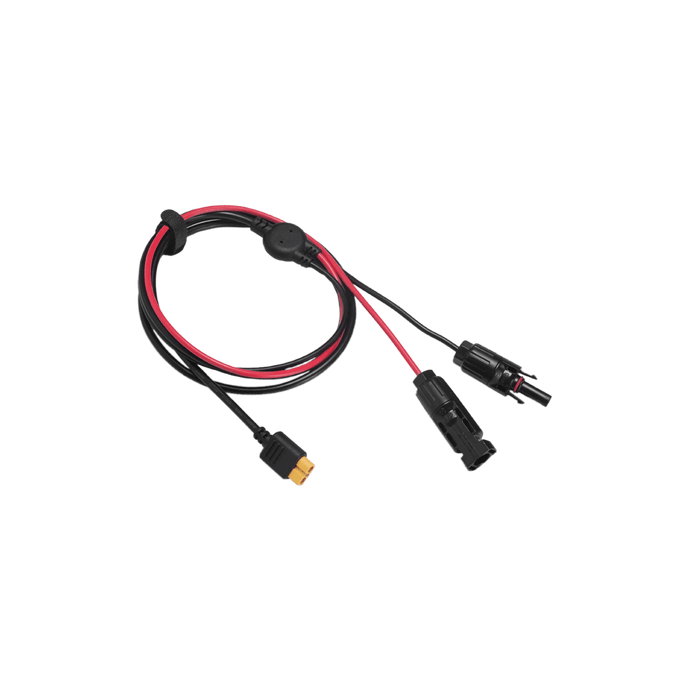
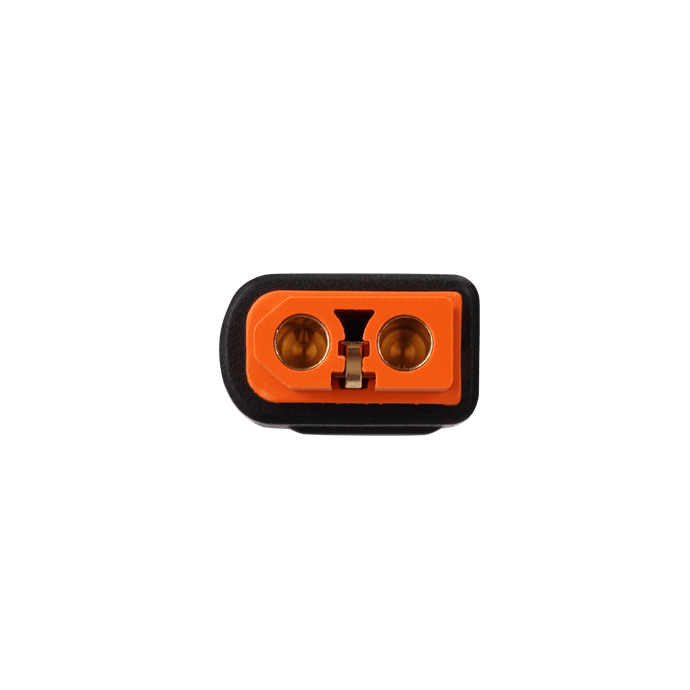
Cable de carga EcoFlow Solar a XT60/XT60i
Película solar EcoFlow HeatGuard

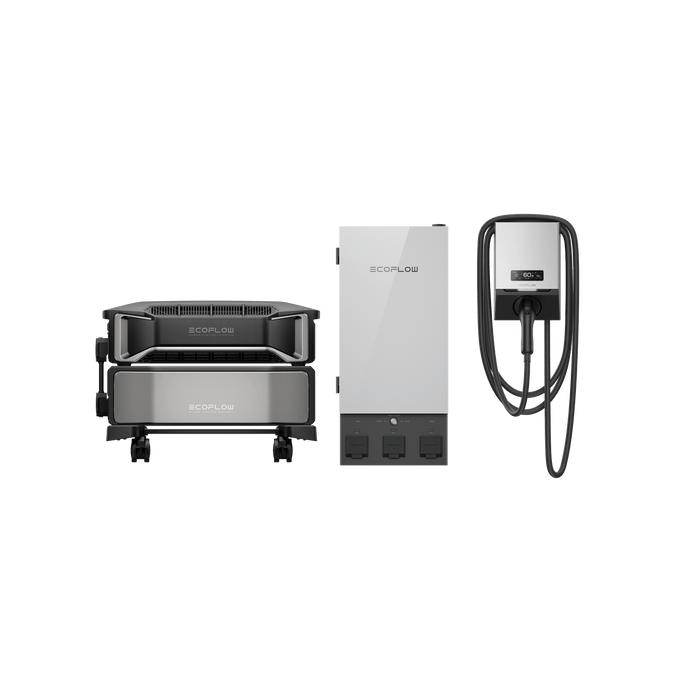
Cargador para vehículos eléctricos EcoFlow PowerPulse (9,6 kW)
alrededor de 35 millas añadidas por hora
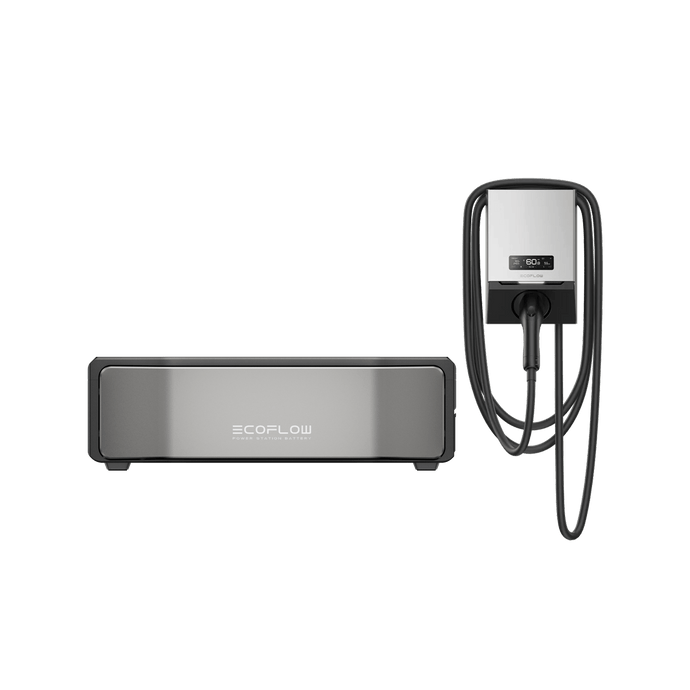
Cargador para vehículos eléctricos EcoFlow PowerPulse (9,6 kW)
alrededor de 35 millas añadidas por hora
Cargador para vehículos eléctricos EcoFlow PowerPulse (9,6 kW)
alrededor de 35 millas añadidas por hora
Preguntas frecuentes
Todos los paneles solares, incluidos los rígidos y los paneles solares portátiles, que generan electricidad a partir de la luz solar lo hacen mediante el efecto fotovoltaico. Los paneles solares son el tipo más común de módulos fotovoltaicos (FV). Los módulos fotovoltaicos capturan los fotones de la luz visible y los convierten en electricidad de corriente continua (CC). Hoy en día, más del 90% de las células solares (FV) están hechas de silicio cristalino. Los paneles solares portátiles monocristalinos son más eficientes que los módulos fotovoltaicos policristalinos, lo que significa que generan más electricidad por metro cuadrado a partir de la luz solar disponible.
Sí. Si la potencia nominal combinada de todos los paneles solares portátiles de su conjunto cumple o supera sus requisitos de consumo de electricidad, puede alimentar su hogar. Recuerde que la entrada solar/capacidad de carga de su inversor solar y batería solar debe admitir la salida de CC combinada de sus módulos fotovoltaicos en vatios, voltios y amperios.
La eficiencia de los paneles solares es una especificación determinada bajo Condiciones de Prueba Estándar (STC) en un laboratorio. Mide cuánta electricidad puede generar un módulo fotovoltaico (FV) por metro cuadrado de celdas solares bajo la luz solar directa. Los paneles solares portátiles más eficientes utilizan celdas fotovoltaicas de silicio monocristalino y tienen una calificación de eficiencia del 23-25%. Es importante comprender que las STC rara vez se logran en el mundo real.
La vida útil de los paneles solares portátiles varía según numerosos factores, incluidos los materiales fotovoltaicos utilizados y la calidad de la fabricación y construcción. Dado que los paneles solares deben estar expuestos a los elementos para funcionar, los módulos fotovoltaicos de calidad son duraderos y están construidos para durar hasta 25 años o más. Asegúrese de que cualquier módulo fotovoltaico que compre tenga al menos una clasificación IP68 de resistencia al agua y protección contra el polvo.
Si desea energía limpia y renovable para llevar, los paneles solares portátiles son una excelente opción. Son ligeros y plegables, lo que los hace fáciles de transportar y de configurar sin esfuerzo en cualquier lugar donde haya luz solar. Otra ventaja de los paneles solares portátiles frente a las instalaciones fijas es que se puede ajustar fácilmente la posición y la inclinación durante el día para maximizar la luz solar directa. Los paneles solares rígidos son preferibles para las instalaciones solares fijas en tejados con varios módulos fotovoltaicos.
Al igual que la eficiencia de los módulos fotovoltaicos (FV), la potencia nominal en vatios de los paneles solares portátiles se determina en un laboratorio bajo condiciones de prueba estándar ideales (STC), que rara vez existen en el mundo real. Las condiciones incluyen una irradiación solar equivalente a 1000 vatios/m², el equivalente a la luz solar directa de la tarde. Las nubes, la sombra y la temperatura pueden afectar negativamente la producción de electricidad. Es más seguro asumir que los módulos fotovoltaicos producirán aproximadamente el 75% de su potencia nominal en vatios durante las horas del día que depender de que generen el 100%.

